.png)
Why Quiet Luxury Became the Most Powerful Beauty Trend of the Decade
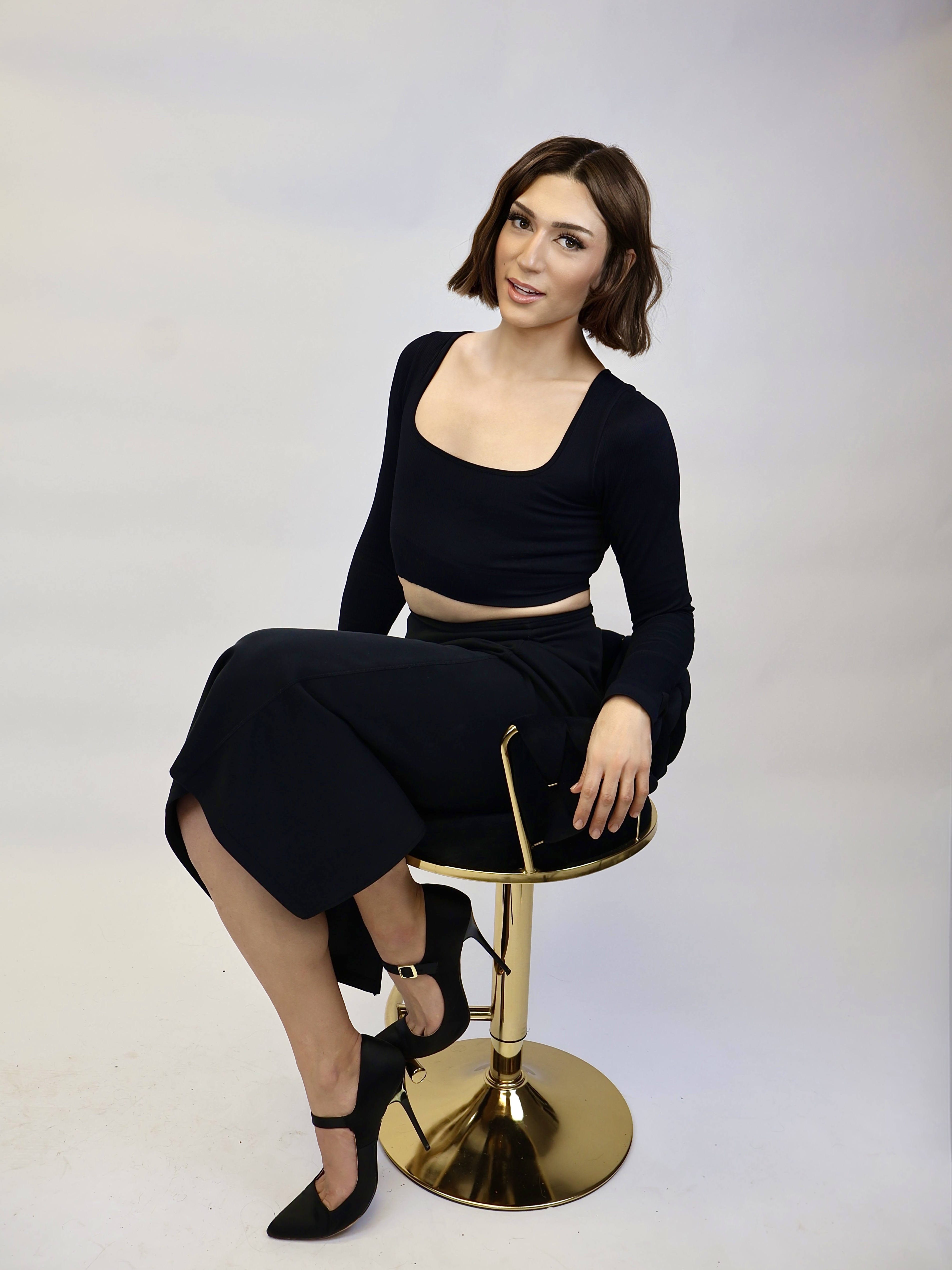
In an era dominated by social media, one might expect beauty trends to become louder, more dramatic, and increasingly extravagant.
Instead, the opposite has happened.
Over the past decade, one aesthetic has quietly risen to the top of fashion and beauty culture: quiet luxury.
Characterized by restraint, refinement, and subtle sophistication, quiet luxury favors quality over spectacle. Hair appears healthy rather than heavily styled. Makeup enhances rather than transforms. Clothing prioritizes impeccable tailoring over obvious branding.
The result is an aesthetic that communicates confidence without asking for attention.
This shift did not emerge randomly.
It arrived as a cultural correction.
For much of the 2010s, beauty culture was defined by maximalism. Heavy contouring, dramatic lash extensions, hyper-defined brows, and the polished perfection of social media filters dominated the visual landscape.
But visual saturation has consequences.
After years of digital perfection, many consumers began craving something that felt more grounded—an aesthetic that suggested effortless sophistication rather than algorithmic beauty. Quiet luxury offered exactly that.
Rather than announcing itself loudly, the aesthetic communicates through details.
Glossy hair with natural movement.Skin that appears luminous rather than layered with product.Design choices that feel intentional rather than excessive.
Fashion houses have played a significant role in shaping this shift.
Brands like The Row, Bottega Veneta, and Loro Piana have built entire identities around understated elegance—collections defined not by logos, but by exceptional materials and impeccable construction.
Even heritage houses such as Saint Laurent and Dior have increasingly leaned into silhouettes and beauty direction that emphasize restraint rather than spectacle.
The message is subtle but powerful: luxury no longer needs to be visible from across the room. Often, the most sophisticated expression of wealth is simplicity executed perfectly.
As fashion embraced restraint, beauty inevitably followed.
Runways and editorial campaigns began favoring hair that moved naturally, skin that appeared healthy rather than heavily sculpted, and makeup that enhanced bone structure instead of masking it.
Even the influence of brands like Hailey Bieber's Rhode and Glossier reflects this cultural movement toward minimal, skin-forward beauty.
The emphasis shifted from transformation to refinement.
Hair became glossier but less rigid.
Makeup became lighter but more precise.
Skin became the focal point rather than the canvas.
In other words, beauty began prioritizing condition over decoration.
What This Means for Beauty Professionals
For stylists and beauty professionals, quiet luxury carries important implications.
Restraint raises the standard.
When styling becomes minimal, every detail becomes more visible. Haircuts must be balanced. Color must appear seamless. Texture must feel natural yet intentional.
There is little room to hide behind dramatic styling techniques.
Instead, the focus returns to craftsmanship.
Precision cutting, healthy hair, subtle color transitions, and controlled movement become the markers of expertise. In many ways, quiet luxury represents a return to the foundations of great beauty design—proportion, health, movement, and elegance.
The Power of Restraint
Trends inevitably evolve.
But quiet luxury feels less like a passing aesthetic and more like a recalibration of values. After years of visual noise, culture may simply be rediscovering the power of restraint. Because in beauty—as in fashion—the most compelling statement is often the one that doesn’t need to raise its voice.


Comments